
Wegovy
Shindong regains weight after losing 37 kg: Do some people respond better to Wegovy?

Super Junior's Shindong, who once succeeded at an ‘extreme diet,’ has become a topic of conversation again. Recently appearing on KBS2's Problem Child in House, he revealed how he once reduced his weight from 116 kg to 79 kg. It was an intensive diet, getting through three daily meals on six ssambap rice wraps. But the results did not last. ‘Once I'd lost weight, I started rationalizing and eating again, and the rebound came immediately,’ he said.
He then admitted being prescribed Wegovy, known as ‘the weight-loss injection chosen by Elon Musk.’ Shindong said, ‘I was still hungry even after increasing the dose,’ and his doctor smiled and joked, ‘Your body has beaten Wegovy.’ Although clearly a lighthearted remark, it raises a question: do Wegovy's weight-loss and appetite-suppressing effects really differ between people?
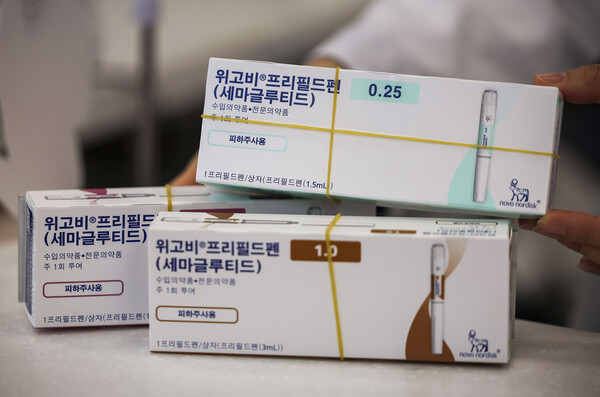
Wegovy is a ‘game changer’ for both appetite and weight, but…
Wegovy began with a component originally developed to treat diabetes (the GLP-1 receptor). It sustains fullness after eating and slows gastric emptying, reducing appetite itself. Its combined actions—promoting post-meal insulin secretion, suppressing glucagon and delaying stomach emptying—also suppress appetite and regulate blood sugar. This improves the metabolic environment and favors body-fat reduction. That is why the US FDA described it as a drug that changed the landscape of obesity treatment.
In an actual clinical trial, participants continuously receiving Wegovy for 68 weeks, about one year and four months, lost an average of 14.9% of their body weight. Improvements in obesity-related metabolic conditions such as hypertension, hyperlipidemia and sleep apnea were also observed. When the drug works appropriately, weight decreases steadily by one to two kilograms a month, and urges to binge or snack noticeably diminish.
The problem is that not everyone experiences these effects equally. Wegovy is indeed powerful, but common reasons some people fail include the following. First is stopping before reaching the dose. Wegovy starts low at 0.25 mg and gradually increases to a maximum of 2.4 mg. Its effects develop fully after this process over two to four months; stopping earlier can create the mistaken impression that it does not work.
Irregular lifestyle habits can also affect successful weight loss. Wegovy influences gastrointestinal movement and appetite, but continued excessive restaurant meals, frequent late-night eating and sweets counteract its effectiveness. A carbohydrate-heavy diet or frequent drinking reduces the effects further.
Also, people whose issues involve stress-related bingeing, depression or strong anxiety, rather than simply high weight or accompanying metabolic disease, may struggle to correct unhealthy eating with Wegovy alone. If emotional eating is the main cause of obesity, psychological counseling or cognitive behavioral therapy should accompany treatment rather than relying on medication.
Thus differences with Wegovy depend on how it is used rather than the drug's efficacy. The belief that merely starting it guarantees weight loss must be avoided. However, used systematically with medical consultation, Wegovy can certainly become an effective weight-loss partner.
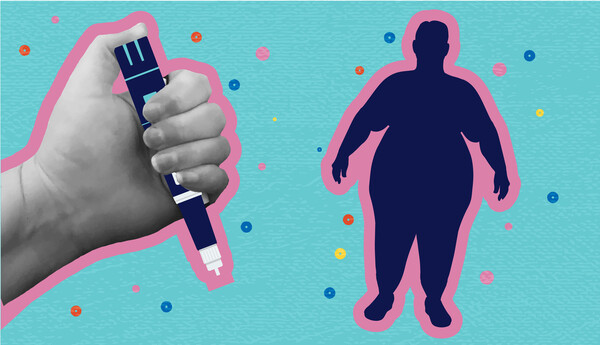
Use Wegovy ‘this way’ for effective weight loss
① Reach a sufficient dose. Wegovy is not just an appetite suppressant; it readjusts metabolic rhythms. One or two injections are unlikely to produce noticeable change. Perceptible effects generally start at 1 mg or more, and gradual escalation to 2.4 mg is needed for definite weight reduction. If bloating, nausea or other side effects arise along the way, it is important to coordinate with a specialist to slow escalation while maintaining treatment consistently.
② Combine the basics of diet and exercise. Wegovy reduces appetite, but nutritional imbalance can cause fatigue, hair loss and muscle loss. Protein intake should be at least 1.2–1.5 g per kilogram of body weight daily, while carbohydrates should preferably come from low-GI foods such as brown rice and whole grains. Because intake is reduced, combining moderate aerobic activity—brisk walking or swimming—with resistance training rather than high-intensity exercise greatly improves weight loss. Adjusting diet and making exercise habitual can also prevent rebound after stopping Wegovy.
③ Review the drug response with your doctor. Wegovy cannot be used without a specialist's prescription. Currently, it can be prescribed only with a BMI of 27 or above. Each month, continued use should be judged by overall condition, including not only weight changes but liver values, blood pressure, glucose and digestive function. If effects fall below expectations, switching to another GLP-1 drug such as Saxenda may be possible. This requires sufficient consultation with medical professionals and continued follow-up.
Wegovy is not a magic injection. But used properly, it opens a new door to weight loss. Even after a temporary setback like Shindong's, there is no need to despair. It is closer to a tool for long-term improvement in metabolism and eating habits than a drastic prescription for rapid weight loss. What matters is a treatment plan matched to your routine and physical condition, and consistent care: the right dose, balanced eating and exercise, and regular checkups. Anyone who follows these can expect good effects. If the aim is healthy weight loss, not quickly losing weight without effort, Wegovy can be the strongest partner on that journey.
▼ Curious to learn more about dieting?